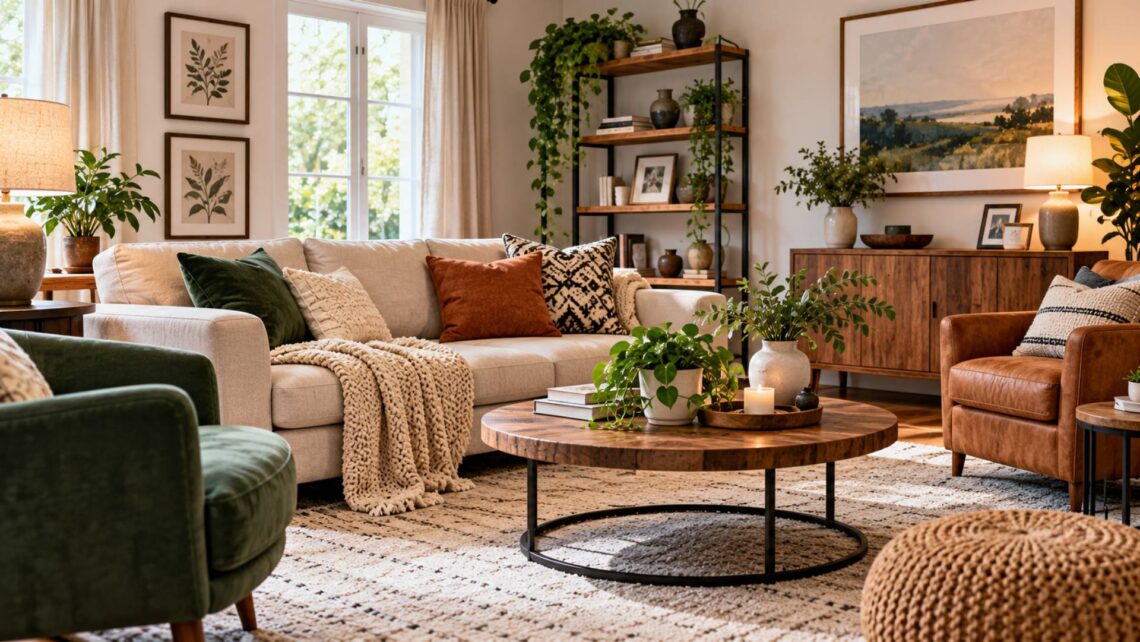
A home feels more welcoming when the furniture reflects the people who live there. Matching sets can look tidy, but rooms often feel more interesting when they include pieces chosen for comfort, usefulness and personal meaning.
The aim is not to fill every corner. Good furniture choices should improve home comfort while giving each room its own identity. home comfort Start with the way you actually use the space, then choose pieces that support those habits.
Start With Furniture You Really Use
Before buying anything new, think about what happens in the room each day.
A living room used mainly for conversation may benefit from chairs arranged around a central table. A family room used for films and relaxing needs comfortable seating and practical surfaces for drinks, books and everyday items.
Choosing furniture around real routines makes the space feel naturally personal rather than staged.
Mix New Pieces With Older Favourites
Not everything needs to come from the same collection.
An inherited side table, vintage chair or older cabinet can sit comfortably beside newer furniture when the colours, proportions or materials connect. These individual pieces often give a room more character than a perfectly coordinated furniture set.
Choosing timeless furniture can also make it easier to update the room gradually without replacing major pieces whenever trends change. timeless furniture
Choose a Sofa That Fits Your Lifestyle
The sofa is usually one of the largest pieces in a living area, so it strongly influences the room.
Think beyond colour. Consider seat depth, cushion firmness, fabric durability and the number of people who regularly use it.
A large sectional may suit a busy family, while a smaller sofa and separate armchairs can offer more flexibility in a compact room.
Make Room for Statement Furniture
One distinctive piece can give a room personality without making it feel busy.
This could be:
- A vintage armchair
- A sculptural coffee table
- A colourful cabinet
- An unusual bookshelf
- A handcrafted side table
Let the statement piece stand out instead of surrounding it with several other competing designs.
Use Furniture to Define Different Areas
Open-plan rooms often work better when furniture creates clear zones.
A sofa can separate the seating area from the dining space, while an open bookcase can provide a gentle divide without blocking light. Rugs and occasional tables can further define individual areas.
Thoughtful furniture placement is especially important in the living room, where comfort, movement and conversation all need to work together. living room
Include Furniture With Storage
Storage furniture can reduce clutter without making a room feel purely functional.
Coffee tables with drawers, storage benches, sideboards and ottomans can keep everyday belongings nearby while maintaining a cleaner appearance.
Choose storage according to what you actually own. Large cabinets are not useful if they simply encourage you to keep things you no longer need.
Add a Reading or Relaxation Corner
A small unused corner can become one of the most personal areas of the home.
Add a comfortable chair, side table and suitable lamp. A nearby bookshelf, plant or favourite artwork can make the area feel complete.
This type of small furniture arrangement also gives larger rooms more purpose.
Let Your Furniture Show Your Personality
Furniture does not need to follow a single design style.
If you like traditional timber pieces, contemporary seating and colourful accessories, they can work together when there is some connection through colour, scale or material.
Your home should reflect your preferences rather than look like a showroom. Pieces collected gradually often create a more authentic interior than buying everything at once.
Keep Scale and Proportion in Mind
Personal style still needs practical balance.
Oversized furniture can make a small room difficult to use, while furniture that is too small may feel lost in a large space. Measure the room before buying and leave enough space for comfortable movement.
Consider height as well as width. Mixing low and tall furniture carefully can create visual interest without making the room feel uneven.
Refresh Existing Furniture
Creating a more personal room does not always require buying something new.
Reupholstering a chair, changing cabinet handles, painting a small table or adding new cushions can completely change how existing furniture feels.
These small updates are useful when a piece still functions well but no longer suits the room.
FAQs
How can furniture make a home feel more personal?
Choose pieces that reflect your lifestyle, interests and daily routines. Mixing meaningful older furniture with practical newer pieces can also create more individuality.
Should all furniture in a room match?
No. Different styles can work well together when they share colours, materials, proportions or other visual connections.
What furniture should I choose first?
Start with the largest or most frequently used piece, such as a sofa, dining table or bed. Build the rest of the room around it.
How can I personalise a small living room?
Use flexible furniture, meaningful accessories, compact storage and one or two distinctive pieces rather than filling the room with many decorative items.
Conclusion
A personal living space develops through thoughtful choices rather than strict decorating rules. Furniture should support daily life while also reflecting individual taste, memories and priorities.
Choose useful pieces, mix styles with care and leave room for your home to develop gradually. The result can feel comfortable, distinctive and genuinely connected to the people who live there.