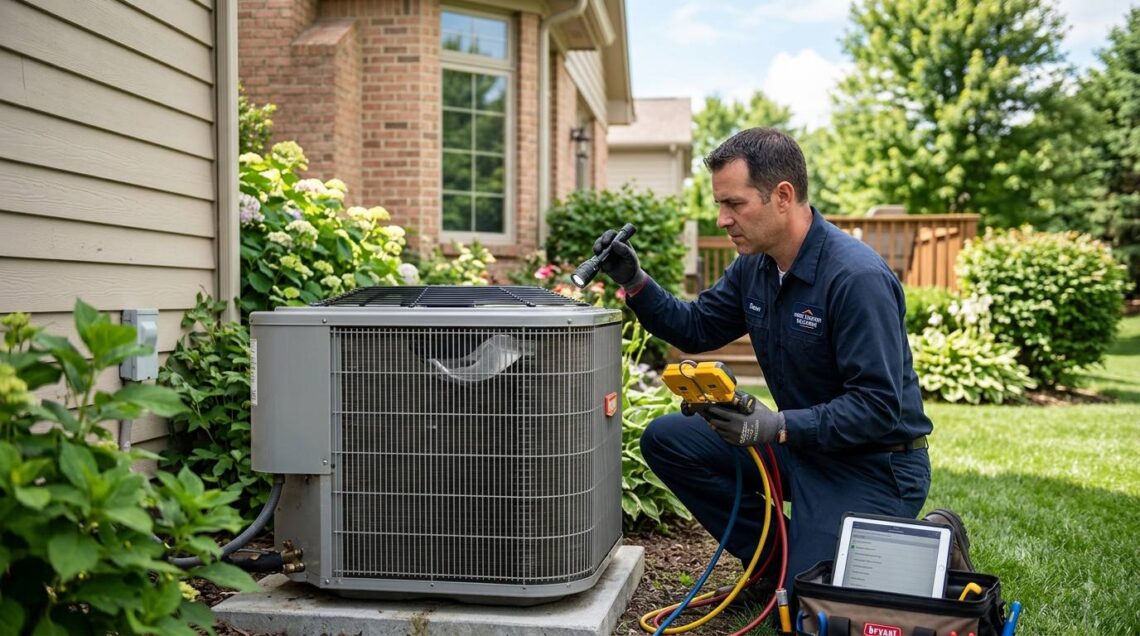
HVAC systems often show small warning signs before a breakdown occurs. Weak airflow, unusual noises, changing temperatures, strange odors, and rising energy costs can reveal developing trouble. Learning to recognize these clues early helps homeowners protect comfort, limit repair costs, and avoid sudden heating or cooling failures during extreme weather.
Your HVAC system rarely stops working without providing some evidence that performance is declining. The challenge is noticing those changes before comfort disappears or a minor problem damages expensive equipment. A room that feels warmer, a furnace that cycles frequently, or an air conditioner that sounds different may be asking for attention. Seeking HVAC help near Mars, PA at the first sign of trouble gives a technician time to inspect, diagnose, and correct the cause. Early action can improve efficiency, protect indoor air quality, extend equipment life, and reduce the chance of losing heating or cooling when demand is highest.
1. Pay Attention to Changing Temperatures
Rooms should generally reach and maintain the temperature selected on the thermostat. Persistent hot and cold spots may indicate restricted airflow, damaged ductwork, insulation problems, incorrect equipment sizing, or declining system performance.
First, confirm that supply vents are open and not blocked by furniture, rugs, or curtains. If the temperature difference continues, schedule an inspection. Closing vents in uncomfortable rooms can increase pressure inside the duct system and may make the problem worse.
2. Watch for Weak or Uneven Airflow
Reduced airflow from supply vents can make the HVAC system run longer while delivering less comfort. The cause may be a dirty air filter, blocked ductwork, blower trouble, damaged ducts, or buildup inside the system.
Check the air filter according to the manufacturer’s recommendations. Replace it when it is dirty and make sure the correct size is installed. If airflow remains weak after this basic step, professional testing may be necessary.
3. Listen for New or Unusual Sounds
Heating and cooling equipment produces normal operating sounds. However, a new noise or a familiar sound becoming louder deserves attention.
Different noises may point to different concerns:
- Rattling may indicate a loose panel or component.
- Grinding can suggest motor or bearing trouble.
- Squealing may involve a belt or moving part.
- Banging can indicate a loose or damaged component.
- Hissing may be connected to airflow or refrigerant concerns.
Turn the system off if the noise is severe or accompanied by smoke, burning odors, or poor performance.
4. Notice Longer or More Frequent Cycles
An HVAC system normally turns on and off as indoor temperatures change. Frequent short cycles or unusually long operating periods may indicate a problem.
Common causes include thermostat issues, restricted airflow, dirty components, improper sizing, or declining equipment efficiency. Short cycling places extra stress on motors and controls because the system starts repeatedly.
This is a useful point to seek HVAC help near Mars, PA, especially when frequent cycling appears alongside weak airflow, rising energy costs, or inconsistent temperatures.
5. Investigate Unexpected Energy Increases
Energy bills can change with weather and household use. However, a noticeable increase without a clear reason may indicate that the HVAC system is working harder than necessary.
Dirty filters, leaking ductwork, worn components, thermostat problems, and neglected maintenance can reduce efficiency. Compare bills from similar seasons and consider whether household habits have changed. If energy use rises while comfort declines, the system should be inspected.
6. Take Odors and Air Quality Changes Seriously
A brief dusty smell may occur when heating equipment starts after months of inactivity. Persistent or unusual odors should not be ignored.
A musty smell can suggest moisture or microbial growth. Burning odors may indicate overheated components or electrical trouble. Chemical or gas-like smells require prompt attention.
Leave the home and contact the appropriate emergency service or utility provider if you suspect a gas leak. Do not operate switches or attempt to locate the source yourself.
7. Check for Moisture Around the Equipment
Air conditioners and some high-efficiency heating systems create condensation that must drain safely. Water around the equipment may result from a blocked drain, damaged pan, frozen coil, or malfunctioning condensate pump.
Do not allow standing water to remain near HVAC equipment. Moisture can damage flooring, encourage mold growth, and affect electrical components. Professional service can identify whether the water comes from the HVAC system or nearby plumbing.
8. Use Your Thermostat as a Diagnostic Clue
A blank display, delayed response, inaccurate temperature reading, or frequent setting changes may indicate thermostat trouble. It could also point to a wiring, power, or equipment problem.
Replace batteries if the thermostat uses them and verify that the system is set to the correct mode. Avoid repeatedly lowering or raising the temperature in an attempt to make the system work faster. That does not increase heating or cooling speed.
9. Know When to Stop the System
Some warning signs require more than routine monitoring. Turn off the equipment when safe to do so if you notice:
- Smoke or strong burning odors
- Loud grinding or banging sounds
- Water reaching electrical components
- Repeated breaker trips
- Severe overheating or equipment vibration
Prompt action can limit damage and protect household safety.
FAQs
1. Can a Dirty Filter Make the Entire Home Uncomfortable?
Yes. A clogged filter restricts airflow, increases system strain, and can contribute to uneven temperatures. Use the filter size and type recommended for your equipment.
2. Why Does My HVAC System Run but Barely Heat or Cool?
Possible causes include restricted airflow, thermostat trouble, dirty components, duct leaks, or equipment failure. Professional diagnosis is recommended when basic filter and thermostat checks do not help.
3. Is One Hot or Cold Room an HVAC Problem?
It can be. The cause may involve blocked vents, ductwork, insulation, air leaks, or poor system balance rather than the main equipment.
4. Should I Ignore a Problem That Disappears?
No. Intermittent problems often return and may become harder or more expensive to repair. Record when the issue occurs and arrange an inspection.
5. How Can Routine Maintenance Prevent Breakdowns?
Maintenance allows technicians to inspect, clean, test, and adjust important components. It can reveal wear, airflow restrictions, drainage trouble, and control issues before they cause system failure.
Final Takeaway
HVAC problems often begin with small changes rather than a complete breakdown. Uneven temperatures, weak airflow, unusual sounds, frequent cycling, higher energy bills, strange odors, thermostat trouble, and moisture around equipment are all reasons to pay closer attention. Checking filters, vents, thermostat settings, and the area around the unit can help identify simple concerns, but homeowners should avoid opening equipment or attempting technical repairs.
Record when the problem occurs, which rooms are affected, and whether weather conditions influence performance. This information can help a technician diagnose the cause more efficiently. Schedule routine maintenance and respond quickly when several warning signs appear together. Timely HVAC help near Mars, PA can protect system efficiency, improve indoor air quality, extend equipment life, and reduce the chance of an unexpected failure. Recognizing problems early gives you greater control over repairs and helps maintain dependable home comfort throughout every season.