Poor ventilation in homes and offices is often overlooked, yet it plays a critical role in long-term health and comfort. When indoor air does not circulate properly, pollutants accumulate and moisture levels rise, creating conditions that can affect breathing, sleep quality, and overall well-being. Over time, these issues may contribute to chronic respiratory problems and reduced energy levels in daily life.
When people think about home comfort, they often focus on temperature control, but airflow is just as important. Weak ventilation directly impacts indoor air quality, allowing dust, allergens, carbon dioxide, and volatile organic compounds to build up. These pollutants can linger in enclosed spaces, gradually affecting both physical health and cognitive performance if left unaddressed for long periods.
Why Ventilation Matters for Everyday Living
Ventilation ensures fresh outdoor air replaces stale indoor air, helping regulate moisture and remove contaminants. Without it, pollutants accumulate faster than they can dissipate, especially in tightly sealed modern homes designed for energy efficiency.
The Role of Air Exchange in Healthy Spaces
Air exchange supports balanced humidity, oxygen levels, and temperature stability. Proper airflow also helps prevent mold growth and reduces the concentration of airborne irritants that may trigger allergies or asthma symptoms. When ventilation is inadequate, indoor spaces can quickly become stagnant and unhealthy.
How Poor Ventilation Affects Indoor Air Quality
Indoor environments rely on continuous airflow to stay clean and breathable. Without it, contaminants from cleaning products, cooking, furniture, and even breathing can build up over time.
Key Sources of Indoor Pollution
Common pollutants include dust mites, pet dander, mold spores, smoke particles, and chemical vapors from household materials. These pollutants become more concentrated in poorly ventilated spaces, making indoor air quality significantly worse over time.
Warning Signs of Poor Ventilation:
- Persistent musty odors
- Frequent headaches indoors
- Increased allergy symptoms
- Condensation on windows
- Excess humidity or dryness
- Stuffy or stale air feeling
Recognizing these early signs can help prevent long-term health concerns.
Respiratory Health Risks from Poor Airflow
Inadequate ventilation can directly impact lung health. Breathing in contaminated air for extended periods increases exposure to irritants that may inflame airways and reduce respiratory efficiency.
Common Health Issues Linked to Poor Ventilation
Asthma flare-ups, chronic coughing, sinus irritation, and shortness of breath are frequently associated with poor indoor airflow. Over time, prolonged exposure to airborne pollutants may worsen existing respiratory conditions or contribute to new sensitivities.
Health Risks Include:
- Increased asthma attacks
- Chronic sinus congestion
- Irritated throat and eyes
- Reduced lung function
- Frequent respiratory infections
- Sleep disturbances
Improving ventilation can significantly reduce these risks.
Moisture Build-Up and Mold Growth
One of the most serious consequences of poor ventilation is excess indoor moisture. Without proper airflow, humidity becomes trapped inside living spaces.
How Moisture Affects Health and Home
High humidity levels encourage mold and mildew growth, which release spores into the air. These spores can worsen allergies and cause long-term respiratory discomfort. Mold growth can also damage walls, ceilings, insulation, and HVAC systems if left unchecked.
Proper ventilation helps regulate humidity and supports healthier indoor air quality by preventing moisture from accumulating in hidden areas.
Impact on Mental Health and Cognitive Function
Air quality does not only affect the body; it also influences mental clarity and emotional well-being. Poor ventilation can create an environment that feels heavy, uncomfortable, and mentally draining.
Cognitive Effects of Stale Air
High carbon dioxide levels and low oxygen circulation can reduce focus, slow decision-making, and increase fatigue. People working or studying in poorly ventilated spaces may notice reduced productivity and difficulty concentrating.
Common Mental Effects:
- Fatigue and low energy
- Reduced concentration
- Irritability
- Headaches
- Sleep disruption
- Lower productivity
Improving airflow can help restore mental alertness and improve daily performance.
Ventilation and Energy Efficiency Balance
While modern homes are built for energy efficiency, sealing buildings too tightly without proper airflow systems can trap pollutants indoors.
Finding the Right Balance
Energy-efficient homes need controlled ventilation systems such as exhaust fans, air exchangers, or HVAC-integrated airflow solutions. These systems help maintain clean air without sacrificing heating or cooling efficiency.
Good ventilation ensures that energy savings do not come at the cost of unhealthy living conditions.
Everyday Habits That Improve Airflow
Simple daily actions can help improve ventilation and reduce indoor pollution levels. Even without major renovations, homeowners can take steps to support healthier air circulation.
Practical Ventilation Improvement Tips:
- Open windows regularly
- Use exhaust fans in kitchens and bathrooms
- Replace HVAC filters frequently
- Keep air vents unblocked
- Reduce indoor chemical use
- Maintain HVAC systems annually
These habits contribute to better airflow and improved long-term health outcomes.
HVAC Systems and Air Circulation
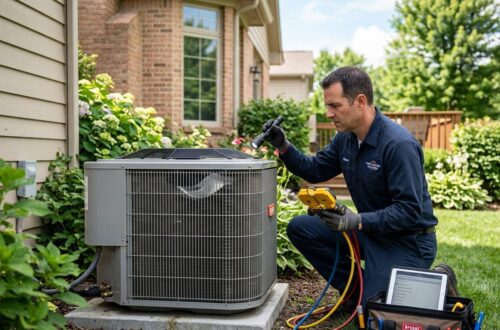
Heating, ventilation, and air conditioning systems play a major role in maintaining consistent airflow throughout a building. When properly maintained, HVAC systems help regulate temperature and remove airborne contaminants.
Importance of Regular HVAC Maintenance
Dirty filters, blocked ducts, or poorly maintained components can restrict airflow and reduce system efficiency. Routine inspections ensure that air circulates properly and pollutants are filtered effectively.
A well-maintained HVAC system significantly improves indoor air quality while supporting energy efficiency and overall home comfort.
Long-Term Health Consequences of Poor Ventilation
Over time, continuous exposure to stale or polluted air can lead to more serious health concerns. These may develop gradually and often go unnoticed until symptoms become persistent.
Potential Long-Term Effects:
- Chronic respiratory issues
- Weakened immune response
- Increased allergy sensitivity
- Persistent fatigue
- Sleep disorders
- Reduced cardiovascular efficiency
Preventing these outcomes starts with improving daily airflow and monitoring indoor conditions.
Conclusion
Poor ventilation is more than a comfort issue; it is a long-term health concern that affects respiratory function, mental clarity, and overall well-being. Without proper airflow, pollutants accumulate, moisture builds up, and indoor air quality declines steadily over time. By improving ventilation through simple habits, regular HVAC maintenance, and balanced airflow systems, homeowners can create healthier living environments. Prioritizing fresh air circulation supports better breathing, improved focus, and a safer, more comfortable home for years to come.