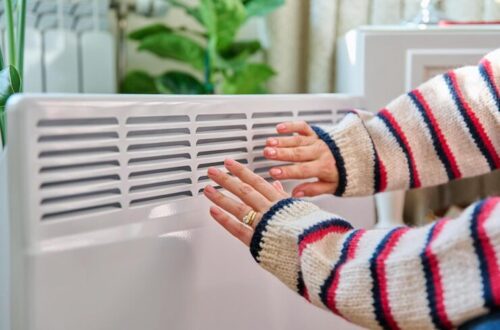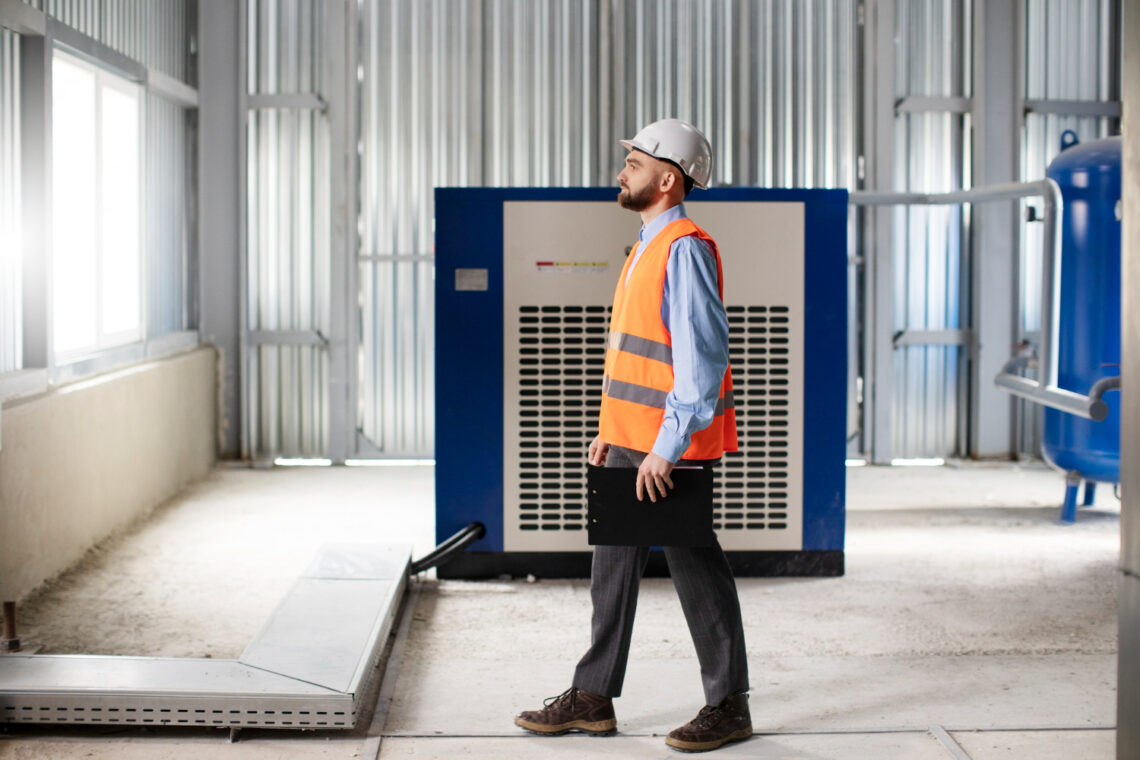
Commercial heating systems play an important role in maintaining a comfortable, productive workplace during colder months. When equipment struggles to distribute heat evenly or consumes more energy than necessary, businesses may face rising utility bills, employee discomfort, and unexpected interruptions to daily operations.
For businesses evaluating their heating performance, commercial heating services in Wallace, NC can help address equipment problems, improve system efficiency, and maintain consistent indoor temperatures. Understanding how heating equipment operates, recognising early warning signs, and following a practical maintenance routine can help businesses make informed decisions about workplace comfort and long-term operating costs.
Why Commercial Heating Efficiency Matters
An efficient heating system does more than warm a building. It helps maintain suitable working conditions for employees, creates a more comfortable environment for customers, and supports the reliable operation of temperature-sensitive equipment where applicable.
Heating costs can also represent a significant part of a building’s energy expenses during colder periods. Poorly maintained equipment, restricted airflow, incorrect temperature settings, and inadequate insulation can all contribute to unnecessary energy consumption. If these problems continue, the system may need to run longer to achieve the desired temperature.
Comfort is equally important. Rooms that remain cold despite the thermostat setting can affect concentration and make certain work environments less suitable for their intended use. Addressing heating problems early can help businesses maintain more consistent conditions while avoiding preventable equipment strain.
Common Signs That a Commercial Heating System Needs Attention
Heating problems do not always begin with a complete breakdown. Changes in performance may indicate that equipment needs inspection, adjustment, or repair.
Watch for these common warning signs:
- Uneven temperatures: Some rooms feel warm while others remain cold, potentially indicating airflow restrictions, zoning problems, or inadequate heat distribution.
- Unusual noises: New rattling, banging, or persistent vibration may point to loose components or mechanical issues that require professional assessment.
- Longer heating cycles: Equipment that runs longer than usual may be struggling with restricted airflow, heat loss, control problems, or other performance issues.
- Unexpected energy increases: Higher heating costs without an obvious change in occupancy, weather, or operating hours may justify an efficiency assessment.
- Frequent cycling or shutdowns: A system that repeatedly starts and stops or fails to maintain its settings may have a thermostat, control, or equipment fault.
These symptoms do not establish a single cause. Keeping records of when problems occur, which areas are affected, and how the system behaves can help an HVAC technician identify the underlying issue.
Factors That Affect Commercial Heating Performance
Several building and equipment conditions influence heating efficiency. Understanding them can help facility managers distinguish between simple operational improvements and problems that require specialist attention.
Equipment Size and System Design
A heating system must be appropriately sized for the building it serves. Equipment that is too small may struggle to maintain comfortable temperatures during colder weather. Oversized equipment may cycle on and off too frequently, potentially reducing comfort and operating efficiency.
Building size alone does not determine heating requirements. Insulation, window area, ceiling height, occupancy, air leakage, and the building’s layout also matter. When replacing equipment or changing a commercial space, a professional load assessment can help determine the appropriate capacity and system configuration.
Airflow, Ductwork, and Insulation
Blocked filters, obstructed supply vents, damaged ducts, and air leakage can interfere with heat distribution. Leaky ductwork may allow conditioned air to escape before it reaches occupied areas, while poor insulation can increase heat loss through walls, ceilings, and other building surfaces.
Businesses should keep vents clear and investigate persistent drafts or temperature differences. Ductwork repairs, air sealing, and insulation improvements may help reduce avoidable heat loss, depending on the building’s condition.
Thermostats and Zone Controls
A thermostat measures temperature and signals the heating system when to operate. If it is poorly located, incorrectly programmed, or affected by a fault, the system may not respond appropriately to actual workplace conditions.
Zone control divides a building into separate areas with individual temperature settings. This can be useful when different rooms have different occupancy patterns or heating requirements. However, zoning must be designed and configured correctly to work effectively.
Practical Ways to Improve Heating Efficiency
Businesses can improve heating efficiency through simple operating practices and regular system checks. Adjust thermostat schedules to match occupancy, reducing unnecessary heating during unoccupied hours.
Keep vents clear and clean or replace air filters according to the manufacturer’s recommendations. Check doors and windows for drafts, and address air leaks or inadequate insulation where needed.
Avoid setting the thermostat excessively high to heat a space faster. Consistent, appropriate temperature settings can support comfort and help prevent unnecessary energy use.
How Professional Maintenance Supports Reliable Heating
Routine maintenance helps identify problems before they cause costly breakdowns. The maintenance schedule should reflect the equipment type, operating hours, building use, and manufacturer’s recommendations.
During an inspection, an HVAC technician may check system controls, airflow, electrical and mechanical components, and signs of wear. Businesses seeking commercial heating services in Wallace, NC, should consider professional support when heating performance declines, repairs become frequent, or energy costs rise unexpectedly.
Avoid attempting repairs involving gas lines, electrical components, or combustion equipment without proper qualifications. If you suspect a gas leak or carbon monoxide exposure, leave the affected area and contact emergency services from a safe location.
Planning for Long-Term Comfort and Energy Use
Heating decisions are easier to manage when businesses monitor equipment condition over time. Keep records of maintenance visits, repairs, recurring complaints, and energy use. Comparing these details across similar operating periods can help identify patterns, although weather and occupancy changes should be considered before drawing conclusions.
When equipment approaches the end of its useful service life or requires increasingly frequent repairs, compare the likely cost of continued maintenance with the benefits of replacement. Consider energy performance, installation requirements, expected operating hours, comfort needs, and compatibility with existing ductwork or controls.
A replacement system should be selected through a proper assessment rather than by choosing equipment solely on its advertised efficiency rating. Correct sizing, installation quality, control settings, and ongoing maintenance all influence real-world performance.
Final Thoughts
Commercial heating efficiency depends on more than the equipment itself. Proper system sizing, effective airflow, suitable temperature controls, adequate insulation, and regular maintenance all contribute to reliable performance and workplace comfort. Recognising warning signs early can also help businesses address problems before they cause greater disruption.
Businesses should review their heating systems before periods of heavier use, keep maintenance records, and arrange professional inspections when performance changes. A practical, building-specific approach to commercial heating services in Wallace, NC, can help decision-makers prioritize necessary improvements and maintain a comfortable indoor environment while managing operating costs.