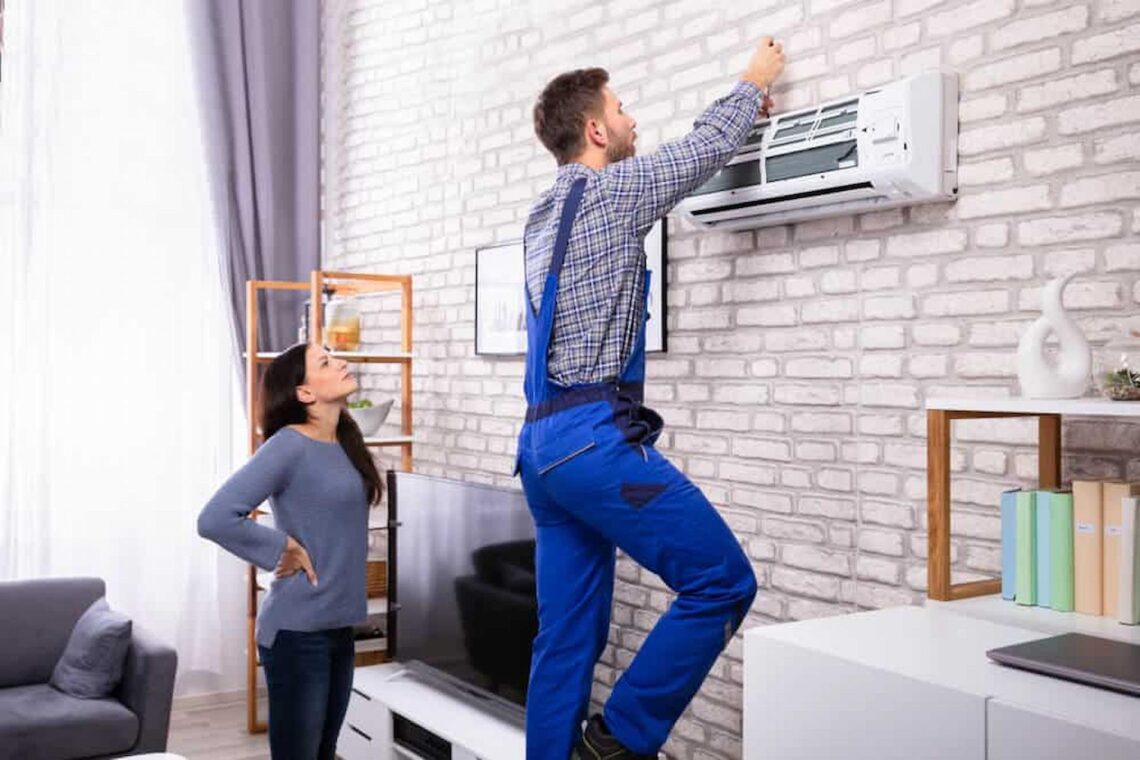
When temperatures climb in the middle of summer, your air conditioner becomes one of the hardest-working systems in your home. During periods of extreme heat, it often runs for hours at a time to maintain a comfortable indoor temperature. While modern air conditioning systems are built for regular use, constant operation can expose existing problems and increase the likelihood of an unexpected breakdown.
If your system is struggling to keep up with the heat, it may be time to consider air conditioning repair Millington, TN before a minor issue turns into a major repair. Understanding the most common reasons air conditioners fail during the hottest months can help homeowners recognize early warning signs and keep their cooling systems operating more efficiently.
Why Mid-Summer Is the Toughest Time for an AC System
Air conditioners work by removing heat from inside your home and releasing it outdoors. During mild weather, this process is relatively manageable. However, as outdoor temperatures continue to rise, your system must work much harder to achieve the same level of cooling.Long cooling cycles place additional stress on essential components such as the compressor, fan motors, and electrical connections. Even a small issue that goes unnoticed during spring can become much more noticeable when the system operates almost continuously in the middle of summer.
Dirty Air Filters Restrict Airflow
One of the most common causes of AC problems is a clogged air filter. Although replacing a filter is a simple task, many homeowners forget to do it regularly.
When the filter becomes filled with dust, pet hair, and other airborne particles, airflow through the system becomes restricted. This makes it more difficult for cool air to circulate throughout the home. As a result, the air conditioner runs longer, consumes more energy, and experiences additional wear. Checking the filter every month during peak cooling season can help prevent unnecessary strain on the system.
Low Refrigerant Can Reduce Cooling Performance
Refrigerants play a critical role in removing heat from your home’s indoor air. Unlike fuel, refrigerant should not be consumed during normal operation. If refrigerant levels become low, there is usually a leak somewhere within the system. Low refrigerant can cause several noticeable problems, including longer cooling cycles, warmer air from the vents, ice forming on the evaporator coil, and increased energy use. Because refrigerant must be handled properly, leaks should always be diagnosed and repaired by a qualified HVAC technician.
Electrical Components Can Wear Out
Your air conditioning system relies on numerous electrical components that work together every time the unit starts and stops. Capacitors, contactors, relays, and wiring naturally experience wear over time.
Summer places additional demands on these components because the system cycles more frequently throughout the day. As parts age, they become more susceptible to failure, especially during periods of prolonged heat.Routine maintenance helps identify worn electrical components before they stop working completely.
A Dirty Outdoor Unit Limits Efficiency
The outdoor condenser unit needs unrestricted airflow to release heat effectively. Over time, grass clippings, leaves, dirt, and other debris can collect around the unit, reducing its ability to cool efficiently. When airflow becomes restricted, the system must work harder to remove heat from your home. This increases energy consumption and places extra stress on the compressor.Keeping the area around the condenser clean and maintaining adequate clearance allows the system to operate more effectively throughout the cooling season.
Frozen Evaporator Coils Can Stop Cooling
Many homeowners are surprised to learn that an air conditioner can freeze during extremely hot weather. Frozen evaporator coils are often caused by restricted airflow, dirty filters, blocked vents, or refrigerant issues. Once ice develops on the coil, the system can no longer absorb heat efficiently, causing indoor temperatures to rise even though the air conditioner continues running.
If you notice ice on the indoor unit, it’s important to turn the system off and have it inspected rather than continuing to operate it.
Warning Signs That Shouldn’t Be Ignored
Most air conditioning systems provide early signs before a complete breakdown occurs. Paying attention to these changes allows homeowners to address problems before repairs become more extensive.
Common warning signs include:
- Warm air blowing from the vents
- Weak or uneven airflow
- Unusual noises such as grinding, buzzing, or rattling
- Frequent cycling on and off
- Higher-than-normal energy bills
- Water leaking around the indoor unit
- Unpleasant odors when the system starts
Ignoring these symptoms may allow small issues to develop into larger and more expensive repairs.
Poor Maintenance Increases the Risk of Breakdowns
Many mid-summer AC failures could be avoided with regular maintenance. Like any mechanical equipment, an air conditioner performs best when its components are cleaned, inspected, and adjusted on a routine basis.
Professional maintenance typically includes checking refrigerant levels, inspecting electrical connections, cleaning coils, testing airflow, examining moving parts, and confirming the thermostat is operating correctly.
Scheduling maintenance before the hottest months arrive helps ensure the system is prepared for increased demand.
Your Thermostat Can Affect System Performance
Sometimes the problem isn’t with the air conditioner itself but with the thermostat controlling it. An older or malfunctioning thermostat may provide inaccurate temperature readings or cause the system to cycle more frequently than necessary. Even thermostat placement can influence performance. Units installed near sunny windows, kitchens, or other heat sources may register temperatures that don’t accurately represent the rest of the home.
Upgrading to a programmable or smart thermostat may help improve comfort while reducing unnecessary system operation.
Small Habits Can Make a Big Difference
Everyday habits can also affect how hard your air conditioner works during the summer. Closing blinds during the hottest part of the day helps reduce solar heat entering the home. Keeping doors and windows closed while the AC is running prevents cool air from escaping.
Using ceiling fans to improve air circulation allows conditioned air to spread more evenly throughout each room. These simple adjustments help reduce strain on your cooling system while maintaining a comfortable indoor environment.
Conclusion
Mid-summer places significant demands on every air conditioning system, making it the time when hidden problems are most likely to appear. Dirty air filters, low refrigerant, worn electrical components, blocked outdoor units, frozen coils, and neglected maintenance can all contribute to unexpected breakdowns during the hottest days of the year.
By recognizing early warning signs and taking a proactive approach to maintenance, homeowners can improve cooling performance, reduce energy use, and lower the risk of costly repairs. A little attention before and during the summer season can go a long way toward keeping your home comfortable when temperatures are at their highest.